Tuesday, February 9, 2010
Stress: It's So Physical - a physical response helps - the sooner the better
 There's a super book called Why Zebras Don't Get Ulcers that looks further at stress in terms of what happens when it doesn't get cleared out; when it builds over time - in other words what happens physiologically when we live in a physiologically stressed space.
The consequences, according to Sapolsky, are grim. Here's why. When that hormonal cascade turns on as a stress/threat response, some critical systems are turned off. Energy that goes into bone building, growth, the immune system, digestion, all gets shut down.
Sapolsky points out that this is totally appropriate for the short term shut down of a few minutes to a few hours these responses are designed to support to "get away from the lion." The problem with ongoing stress is that these systems STAY shut down or compromised for far longer periods. And that leads to disease and earlier mortality.
Sapolsky's work shows that there are particular strategies - modelled in the animal kingdom - that demonstrate the consequences of stress, and the effective, consistent, cross mamal species activities that demonstate reducing stress - and not getting ulcers.
To get a flavour of Sapolsky's amazing work, there are at least two audiobook lectures at iTunes
 U on the work from Zebras on stress. The first is Why Zebras Don't Get Ulcers; the second is Stress and Coping: What Baboons can Teach Us. These are both free, and part of Stanford's Healthy Living Series at iTunes U. The take aways from Baboons are perhaps no surprise, but that they are so well underlined with both observation and physiology is well worth exploring.
In future posts, we'll be looking at strategies related to identifying fatiuge, too, to help optimize our own human performance for well being.
Related Posts:
- Heart rate monitors for Progress and Recovery
- Getting Rid of Crap Around Goals
- Beats: the automatic way to meditate
- Five months on from using the Sedona Method
- Z-Health - dynamic joint mobility - help process stress
- Top Ten Tips to Destress (at geekfit)
Tweet Follow @begin2dig

 PDF
PDF

Saturday, February 6, 2010
Possible role for Heart Rate Monitors in Kettlebell Strength Training or Total Eclipse of the Heart
 for some time. Athletes use these devices to tune their endurance efforts for maximal aerobic threshold work and optimal effort to recovery ratios. Sounds like that makes sense.
In the Iron Gym, HRM's are far less regularly seen. After all, lifting weights is lifting weights. Where the heck would a Heart Rate Monitor come into play?
Lately, i've been exploring this question: to see if HRMs might also help tune effort and recovery for optimal training. This post isn't the ultimate finding of that exploration, but a description of how this exploration is being set up, and especially the rationale for it.
Maybe before addressing that one, it would be useful to take a step back and say why/when a heart rate monitor at all? And THEN take a look at an approach for exploring its use in weights work. (if you know all this stuff about R-R distances, how/what HRM's monitor and calculate, just skip scroll to re-enter RTK for the resistance application...)
What do we actually "monitor"?
We are electric plastic people. We pulse. Electrically. And because of that, those pulses - electrical impulses moving through the muscle of the heart in this case, but like any electrical activity, can be detected- in this case via conductors on the skin. Once the pulse is detected, a signal that represents the pulse can be transmitted and communicated to a device that does so much more now that just count the beats, but beat counting is no small thing.

In a way, all we know explicitly from a heart rate monitor is that there is a pulse. The computer in the HRM translates this into a frequency of beats per minute, relatively accurately - close enough for most healthy people's purposes, and especially the higher end models like the Suunto T6C, you'll see used in research papers as the measuring device in studies. These heart rate monitors track the specific measurements between the big peeks in the heart rate pulse - the R to R distance (seen above) - we'll come back to this and why being able to note the differences in distances is so valuable for training.
The rather impressive thing is that, from the miracle of statistics, we can use readily knowable values like age, gender, height, weight and max heart rate to figure out all sorts of things about energy systems being taxed, our capacity to use oxygen, and more recently, based on load and effort, a more clear picture of how long we'll need to recover from the type of work we've done, so that we can specifically focus our training on making the whole of us get stronger. All that from the simple lub dub moving the blood, pushing the o2, saying we're alive.
The first thing to measure from the measure: Max Heart Rate
In order to take best advantage of a heart rate monitor, a key value to get is the Maximum Heart Rate. Max Heart Rate (MaxHR) is pretty much the greatest number of beats one's heart is capable of generating in a minute. It's age, gender and ethnicity effected. But that said, it's also individual as well as being somewhat device-specific. Consequently, Max Heart Rate is a pretty important value to get right because so many other measures take this limit as a critical part of the calculations. There are a bunch of ways to get at that, some more than others.
Statistical Approaches. Max heart rate is often simply calculated based on equations derived from stats of various populations. These equations (many examples here) often provide an ok ball park but LOADS of people have heart rates that are higher or lower than the calculation, so i don't want to give the equation.
Maximal or Near Maximal Tests. I'd like to suggest you get it measured. There are many ways to self test or get a Real Test. If your doc has cleared you to work out, check if you can do a MaxHR test; if not there are ways to do partial max exertion tests to get a good enough approx till you're more fit.
Device Sorta Specific. Also, quick note, besides the fact that there are a bunch of ways to figure out your max heart rate, they vary by device you're using. I can crank out a good five beats more on an evil elliptical than i can on a bike, and the bike's higher than the rower, and the rower is higher than kettlebells. THis is pretty normal based on amount of big muscles used in any given activity.
The First Use of MaxHR: Zones of the Heart
The next thing that comes up in heart rate monitor use is figuring out whether we're staying aerobic or going anaerobic in our efforts - and how long in either zone. The border crossing from aerobic to anaerobic is pretty much 85% max. It is not unusual, howerver, to have multiple "zones" defined in the aerobic area as well to indicate at least a kind of degree of effort.
Load and Recovery. This sense of effort can be important for planning effort levels, effect on the central nervous system (CNS) and recovery. For instance, not every day would one want to work for an hour at the anaerobic threshold, or only do cardio work at 60% of effort if one is a healthy, mobile person. So checking what zone one has been training in may help with understanding if one has been working sufficiently to promote a desired adaptation.
Why Else is this Zoning important? Energy systems.
Before going anaerobic, we're primarily using fat for fuel. Good-o right? And fat is generally converted to fuel in the presence of oxygen. Breath in and out. Cook a calorie. Yodelayheehoo. SO aerobic, which means in the presence of oxygen, is a good thing. Sleeping is aerobic. Running so that you can carry on a conversation is aerobic. Quite a range.
But (a) oxidising a gram of fat gives off a hefty 9kcals of energy and that's grand, because fat oxidation is not what you'd call a fast process. So relatively speaking only a certain amount of muscle can be turned on at once since there's only so much fuel available.
When we pump up the demand - to sprint, or lift heavy - when we have to recruit more muscle to get that extra power, we need a burst of fuel for that. And a burst is about all we'll get from the phosphate system (anaerobic) which can do a good burst but only for a moment (well, 30sec), and then there's sugar in the muscle and bloodstream, if it's there to be had - it can only do so much more - for maybe a minute or so. Imagine a 400 yard dash. And then it's gone.
The goal in most endurance training is to be able to raise the threshold at which we can take advantage of the plentiful fuel resources in the O2/fat equation. So you'll see folks with their heart rate monitors working on Time - being able just to work longer at a given aerobic heart level. So they're watching their heart rate to stay in that "i can still talk while i'm running mode"
And then there's the pushing the envelop - the anaerobic/aerobic envelop. Here, the goal is to tax the upper end of the system - to push into the anaerobic for brief or longer periods with recovery spurts (to rebuild those rarer energy system resources) back in the aerobic world to drive up the aerobic threshold.
The more power we can generate with Fat/O2 the better.
Total Eclipse of the Heart Rate Monitor: Cardio. The above more or less explains the fundamental uses (not all, but the basics) of HRM's for endurance work generally. There's a lot more to current heart rate training and high end heart rate monitors than what i've just described. Current approaches calculate EPOC, heart rate variability, vo2 capacity, and something called "training effect" that is very cool to be able to see to what degree one's workout really *is* pushing one's training to cause an adaptation, or just keep one at the same level.
Shifting to Resistance Training
How does this monitoring apply to resistance training? i bet there's lots of ways, but i'm afraid here it gets a bit personal. Indeed, it's rather a challenge to find any papers that have a person using a heart rate monitor throughout a training session, rather at most, before and after the session. Why is this? Maybe it's because using a HRM in resistance training is stupid; or maybe it just hasn't been looked at. So why am i? Where am i?
I'm using an HRM to test
- energy system taxed,
- overall work of a workout,
- effective recovery between sets
RE-enter the Return of the Kettlebell
 I have been following Return of the Kettlebell since the fall - this has light, medium and heavy days in order to allow suitable amounts of volume, recovery and load to promote an hypertrophic adaptation. Part of the protocol is progressive increase in load over time, but the way to progress load is first to get the speed up for a set completion, and time down between (and within) the max number of reps & sets ( 5 ladders of 5 rungs each) before moving onto a new weight.
In doing this work, i became curious as my times were going down, what kind of work i was doing - what kind of effort i was putting in - how much of the work was happening especially on heavy days in the aerobic zone as opposed to pushing into the anaerobic - where power is supposed to take place.
Hypertrophy vs Power. Part of the challenge in this protocol is that it's not a power protocol, per se, but an hypertrophy protocol. That means it's more reps with less recovery than power - much closer to endurance than power (as best we understand hypertrophy). So, really, most work *would* be in the aerobic zone - though perhaps towards the higher end of the MaxHR. At least that's how i've been looking at it.
Ramping Up the Heart: Warm ups for Work, Revisisted
This may be stating the obvious, so forgive me, but even if working quite hard, it can take time to get the heart rate up to working level. By working level, i simply mean where one is working at a level of effort to induce an effect on work capacity (O2 capacity) would take place. This is one reason perhaps to consider doing a warm up on a bike for ten minutes.
Why bother? why care? Well personally, i haven't. I've used my initial sets in RTK to warm up. What that means is that by the time the workout is done 20 or 30 mins later - only half to a third of that effort has been working my heart outside of MAINTAINING my current level of endurance strength, and letting me advance it's training.
Now, there's a caveat here: not EVERY workout ever should be or needs to be in that higher region of the heart. But looking at my heart rate let me know that i was not taking advantage of the training opportunities i could be just by doing some preliminary warming up. I had sauce left for more VOLUME, and volume is king.
This kind of thinking for a warm up is not the norm to me, but it's been revelatory. Indeed, as if to underline this, Coach Hauer the other day, looking at some vid of my snatch work, commented that my second long sets were consistently stronger than the first ones (i didn't warm up before these sets). Second sets are definitely the ones pushing into training effect rather than maintenance when i look at the logs. Hmm. And they seem stronger? Hmm. "So warm up before you do your snatch test?" was the suggestion. Just warm up.

The logs i'm looking at are of my heart rates at points throughout the sets.
The above image for example is RTK medium day, five sets of five ladders, concluding with two sets of double kb squats, then, seeing i had more time/energy, finishing with the 5*20s double swings.
What the lower panel shows is a combined EPOC (the line going up) and calculated cumulative training effect (the colored bands) of the workout. Training effect here - is how long one might need for recovery before doing another workout of this intensity. This one was a TE of 3.1 - meaning that (a) the workout was causing more than a maintenance of current training, but was pushing slightly into the realm of causing an adpatation/improvement. That also means however, that there's a recommended 1-3 days break before doing this kind of workout again. We'll look at how to get more precise below.
Inter-Set Recovery
Another thing i've been checking with an HRM is where the reasonable recovery is between sets. Now on the one hand, one usually "just feels" when it's appropriate to get back, or one takes recommendations of how long to pause based on the type of effort one is performing.
Two things happen in RTK: pavel initially recommends two minutes between ladders, but he also suggests trying to get time between reps in sets down with the goal of seeing how quickly one can get the time down for the workout to use as a gate for moving up to the next weight.
I have recently been using an HRM to see if the way i "feel" about readiness to start the next set is mapped at all to a given heart rate level - if i'm trying to keep my heart working. What i've learned is that i can still perform well without pooping out by the end of the set if i start a little less recovery than i had been wont to give myself. In other words, when i've pushed myself to start say ten beats higher than my normal "feel" it's been ok; it hasn't cost me performance of good reps. In other words, the HRM has let me check where to reset "feel" to start again to push my training adaptation a bit more without pushing too far and too hard.
Record
Right now, using an HRM in resistance is mainly a way for me to keep track of the fact that
a) i did my workout
b) i put some good effort into it
c) give me a visual comparison of the same workouts within a given block or blocks over time
and to use that to see patterns of adaptation or not to see what else i might want to do with my training.
For instance it was checking my total training effect (a measure of heart rate variability to determine fatigue and time needed for recovery) from RTK that let me know i was probably ok to do the snatch practice work i've been doing on the days between RTK (lots of snatching in prep for the snatch re-test at RKC II end of feb). That's been great to have.
Calories and High Heart
I also admit that i like to see how many calories a workout burns - relative to the given accuracy of the calculations on the HRM. For instance, 10 mins of swings at the end of an RTK session burns as many calories as 20+ minutes of pressing. Wow. so that's just another bit of motivation to say ya do the few extra swings - get a few extra calories and a bit more effort on the heart too. I like to see about getting my heart rate up with 15 or 20 heavy swings, 15 sec pause and then more swings with clean reps "can i get it up a few beats higher" mayn't be the smartest thing in the world, but it's brief and fun and well, it's again, something i'll be looking at over time - if there are changes in swing volume to achieve the same thing, measuring fatigue and so on.
Biofeedback again? Heart Rate Varability Fatigue and Recovery
There's some work that suggests monitoring those R-R distances can also be used for very specific training tuning. I'm looking forward to trying this in march - you need ten days of non-training to get a base line - time i don't have to take away from prep work right now. But from this, and some nifty math, one can get a simple number that if one is above it, don't train; below it, go ahead.
I'll come back to this after i've played with it for awhile, but if you go for it, let me know. Fatigue has been desperately challenging to get a handle on. Partially because we tend not to notice it's got us until it's too late - the dreaded overtraining problem.
i'm intrigued by the fact that a phyiscal device far less subtle than ourselves may actually be able to help us learn to re-listen to ourselves - to be able to correlate our own daily experience with what the device is saying is our state. For instance on a day this approach might say "don't do a heavy day" - do i notice that ya, i'm not feeling like i could take on the world? or is there something else at play, that i might begin to learn to be more aware of?
This kind of biofeedback is reminiscent to me of another way that folks like Mike T Nelson, Adam Glass and Frankie Fairies are looking at immediate ways to test readiness for a particular move in any workout.
This kind of training - of finding ways to see and listen to our bodies - learn what the data is giving us - who knows? may just help us to move better, stronger, easier for longer.
For me, this heart rate tracking is new, so i don't have enough data yet to draw conclusions, but so far it's opened up more possibilities to get more volume safely into my workouts, and that seems to be good so far.
Related Posts
- Does cardio interfere with strength training? how bout no?
- Kettlebell article index
- general fitness index
- when to use calorie counting for weight loss - another device to encourage biofeedback
Thursday, February 4, 2010
Real People Losing Real Weight in Real Time: Update
6 months. These pieces were inspired by the folks who had just finished Precision Nutritions 6 month program called the Lean Eating Challenge. 6 months. Not 12 weeks, not 16 weeks, but 6 months. Half a year to develop and practice nutrition and strength habits to achieve one's body comp, health and fitness goals sanely, safely, with habits to last a life time.
So i thought b2d readers might be interested to see both the winners of this real world challenge, and see the runners up as well. Here ya go: Lean Eating Challenge Results
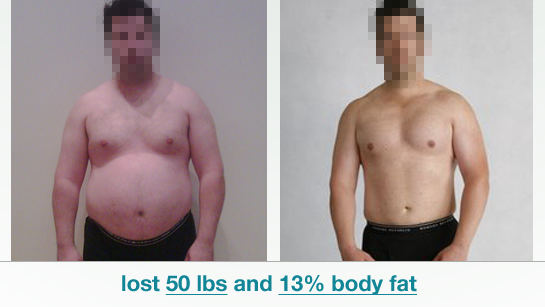
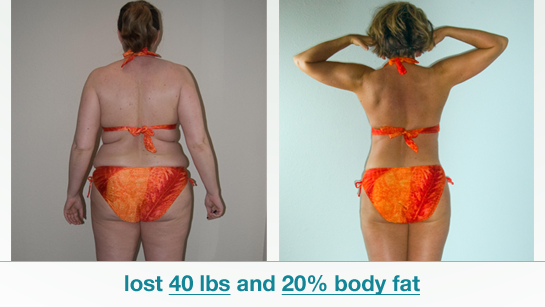
If you're interested in the Lean Eating challenge, it's a great great program. Folks get so much daily guidance and support in such a reasonable, effective way, it's awesome - i'll detail it more in a future post. In the meantime, here's a previous discussion (check the comments). Right now (Feb 2010) you may want to put your name on the list for the next time the program will be run (June 2010).
In the meantime, if you're looking for a similarly sane foundation to develop your own nutrition/fitness/body comp, please do take a look at Precision Nutrition (here's a detailed review, too).

Folks who read b2d know that i find PN to be a great program to learn about nutrition and how to get a handle on it for oneself. Most particularly, i think access to the forum alone is worth the price of admission. If you want to learn about nutrition and how to tune that knowledge for your body comp/health goals, i've yet to discover or be introduced to a better resource.
Related Posts
Tweet Follow @begin2dig
Tuesday, February 2, 2010
Optimising Fat Burning on Non-HIIT days
 We can't HIIT all the time, nor can we work steady state at the top end of our aerobic capacit all the time. Our central nervous system would come up and strangle us. That's another word for overtraining. But if we still want to make sure that we're optimizing our non-HIIT time for both endurance capacity and fat mobilization, can we do both at the same time? Outlook looks good that there's a sweet spot for such work in the 60-80% MaxHR zone.
Last week, we looked at a successful protocol for fat mobilization and showed fat loss when comparing steady state to HIIT. We might recall that of the two groups - steady state and HIIT - when there was no other change to regimen (no diet change for instance) only the HIIT group changed BF%, dropping 5 pounds plus of fat over 15 weeks. One would seem to see in this that HIIT is the best approach to get the fat off then, but there is a related question, as authors on a 2009 Journal of Strength and Conditioning Research paper puts it:
‘‘Should I exercise at a level that optimizes fat oxidation, or is total caloric expenditure the ultimate determinant of fat loss?’’Surprisingly, this fundamental question has not been answered to date, probably because of the difficulty of precisely controlling caloric intake and expenditure.From the HIIT work, we saw that pushing anaerobically for sprints, and then recovering aerobically was great for fat mobilization. The authors, without unfortunately citing any specifics, suggest that there may be some issues with this conclusion
I'm not sure about that and the authors get away without substantiating that claim that "no definitive conclusion could be reached". Indeed, they rather punt to say that they're not tring to figure out the optimal training intensity for fat loss. Ok, then what are they doing? They want to know
Those studies that have been completed generally have controlled for exercise dose, comparing highintensity, short-duration exercise with low-intensity, longduration exercise of equivalent caloric expenditure. However, nonexercise physical activity and caloric intake were not controlled, and no definitive conclusion could be reached.
Can improvement in aerobic capacity and optimization of fat oxidation be attainedIn other words if you're working out to be able to do more work at a level that is "glycogen spairing" - uses fat for fuel rather than precious muscle and blood sugar - can training to get that effect optimized also connect with fat burning? And so to get at this question, the authors say
simultaneously, or are these objectives distinctly different and require different intensities of training for their attainment?
The purpose of this study is to compare the FBZ [fat burning zone] and AZ [aerobic zone] in a group of competitive endurance athletes (runners). To the best of our knowledge, this is the first study to directly compare these 2 training zones in the same group of subjects. To the best of our knowledge, this is the first study to directly compare these 2 training zones in the same group of subjects.As a first step, the authors make clear that it's really straight ahead to see the points at which one goes from using fat as the primary fuel to using sugars. The calcutation looks at the respiratory exchange ratio (RER). For Carbs being 100% of fuel, the RER is 1. For fat, it's .7. This can be tested by hooking a person up to a cart that collects respiratory gasses. Cool.
The authors also do a really nice job of saying what things impact on fat mobilization, too. Eg, eating carbs before exercise surpresses fat mobilization (hence the Precision Nutrition heuristic to say carb-dense foods for post-workout).
The nice thing is here, that while few of us have access to a metabolic cart (and using one isn't a lot of fun), we can use heart rate instead as a pretty good indicator of fuel type metabolized.
TO calculate Aerobic Zone, the authors used the ACSM measure: 50% of HRR (heart rate reserve) for the lower end, and anaerobic heat rate threshold for the upper end. While Anaerobic threshold is becoming an increasing question of debate (while lactate threshold has been totally toasted), the authors are just using points established by a Body, and testing against these. Good idea. There are known methods to determine AT in the lab - or what passes for tha threshold, so what the heck.
Fat burning zone was determined by watching the gas exchange readings on the cart: as soon as the ratio flipped beyond .7, one is beyond the FBZ.
Here's what the AZ/FBZ's look like:

To cut to the chase, the main result is that
for Maximum Fat Oxidation, 32 of the 36 subjects (89.0%) fell in a range of 60.2–80.0% of maximal heart rate.And there is overlap between these two zones:

The authors' discussion of these results describes the following observations and potential uses for the findings:
the upper limit of exercise intensity for FBZ (80.0% max heart rate) is mid-range for the AZ (67.6–87.1% max heart rate). In addition, the upper limit for calories per minute (11.5) for FBZ is mid-range for AZ (9.15–-14.2 cal /min). The upper limit of fat calories per minute for FBZ (3.45) was not significantly different (t = 1.23, p = 0.225) from the lower limit of AZ (3.11). The biggest discrepancy between the 2 zones occurs when comparing fat calories expended at the upper limit of FBZ (3.45 fat cal/min) with the upper limit of AZ (1.68 fat cal/min).If the objective is metabolism of fat calories, training at the upper limits of AZ should not be recommended. If total caloric expenditure is the objective, the upper limits of AZ will be the most efficient.One might think, well there you go: fat mobilization is below the top of the AZ and so back off from that edge. Umm, no, apparently not so fast:
In addition to more calories being expended during exercise, caloric expenditure during recovery from high-intensity exercise is greater than recovery caloric expenditure from low-intensity exercise because of the additional energy requirement of ventilation, restoration of adenosine triphosphate phosphocreatine, replenishment of glycogen stores, and body temperature elevation. Also, prolonged exercise at high intensity, as in marathon running, has shown a gradual decrease in carbohydrate oxidation and gradual increase in fat oxidation as glycogen stores become depleted. If fat calories, and not total calories, were a better predictor of weight control, we would expect endurance athletes, who spend a rather large volume of training above FBZ, to have weight control problems. This is clearly not the case.In other words, almost as with hypertrophy training, volume has a pretty important role to play for fat mobilization, and volume here can be accrued by time. What's this mean: a few weeks ago, we looked at CoQ10's effect on endurance, and there we saw that after repeats of wingates that are pretty carb stealing, the oxidative system kicks in because those carb sources have been depleted. What this seems to suggest is that if you can stand it, working at the AZ top end for long enough will burn out the carbs and push into the fat as primary fuel source out of necessity.
That's potentially great to know for endurance athletes. But what about strength athletes working on their body comp?
Recommendations:
HIIT is generally recommended only a few times a week. And from last week's studies we saw that the bouts are only 15 mins of work long. These ranges are for the benefit of one's central nervous system.
If you still want to do fat burning work on non-HIIT days, or just more work on your HIIT days, it seems that one has a wide range of efforts to play in: 60-80% of MaxHR. So for CARDIO days when you've HIIT yourself to death and your CNS is crying for mercy, you can still do cutting by working in the 60-80% zone. Likewise, if you still have more sauce on HIIT days after 15 mins of work, you might want to add on some effort of steady state at your optimal fat burning zone.
Caveat on 60-80%. That's a heck of a big range. In some interesting reflections on their results, the authors note that we still don't know WHY there is such a range. Dietary practices alone apparently don't account for it. And in this group, we're talking really fit people too, and even in such a closely matched cadre, there was still this rather large range of values for where the OPTIMAL fat mobilization occured.
In other words, there is a LOT we don't know yet about individual variation within fat mobilization. It's not a 1:1 relationship of work this hard and get these results. The best the authors can say is with a 90% result of participants in this range, there's a good probability that work in this range will have the best likelihood of fat mobilization.
Example: Combos Applied.
All caveats considered, I had a note from a person last week responding to the HIIT work saying that he does a similar interval protocol on his bike of the 24/36 protocol doing hills as hard as he can, and then finishes up with 30 mins of work at 70% max heart rate - for him, that's his sweet spot, and fat loss has never been so fast for him as when he hit this combo.
Personally i think this is really cool to see how we can mix and match various optimizations for our goals.
Related Posts
main ref:
Carey, DG (2009). Quantifying Differences in the "Fat Burning" Zone and the Aerobic Zone: Implications For Training Journal of Strength and Conditioning Research: , 23 (7), 2090-2095 : 10.1519/JSC.0b013e3181bac5c5 Tweet Follow @begin2dig
Sunday, January 31, 2010
The Evil Vegetarian and Her Eggs - The Almost Untold Story
Let us set aside for a moment the scenes from Chicken Run and the fate of hens who do not produce their quota. Indeed, let us not think of the happy hen yard at all. Instead, let us ask the question, whither all these chickies brudders? I mean, when we think about it, while all chickens that lay eggs are of the same sex, not all chickens are of that sex. Where are the males of the species that pop forth all hopeful from such eggs from time to time?
Pet food. Among other places.
Yup, about two years ago now, Jamie Oliver did an intriguing series called "Jamie's Fowl Dinners" to show what happened to chickens in different contexts from factory to free range to simply free (yes chickens do exist in the wild).
He modelled each stage of the process. Including what happens to all the male chicks. And how.
For some reason i woke up remembering this scene, thinking right, we think we're doing such good stuff not eating meat, but these psuedo chicken by-product choices indirectly do exactly that: cause a whole lot of creature culling. There's no market for so many live male chicks. I wonder, i thought, how many people know this?
And so, dear b2d reader, now we both do. Will that shift our eggy behaviour? I think that as i'm at meetings this week at a hotel where the buffet veggies are dripping in something like butter and the only veggie protein is "vegetarian lasagne" which means lots of carbohydrates in a white sauce it seems, and that salmon beside it is looking a heck of a lot saner, despite the environmental damage from evil farmed salmon fisheries.
At least i remembered to bring some protein powder. From non-organic/free range cows
great great great. i am a total ethical food failure. i abdure myself. dang.
Sort of related posts
- i don't know. i'm too depressed,
- but here's some stuff on nutrition.
- what's the point.
Thursday, January 28, 2010
Hand care for Kettlebell work: what's with the Cornhuskers anyway?
 As with i think anyone whose hands have objects that rotate in them (either the object is rotated in their hands, or their bodies rotate via the hands around the object) i have calluses on my hands. Mine are pretty much from kettlebell work these days. i think i've read all the hand care solutions, and tend to use the usual variety of scraping, emorying, abraiding, pumicing and shaving (personal fave, curtousy of a tip from dr. squat) that anyone does.
I'm simply thankful that since actually getting better on technique, with tips from Coach Hauer, they've been less likely to rip.
That said, one of the constant suggestions in ANY of these (by guys, let's face it) lists, is "use hand lotion" with the usual one recommended being Corn Huskers.
So i gotta ask, what's this stuff supposed to do? I have some. I've tried it after swinging, after
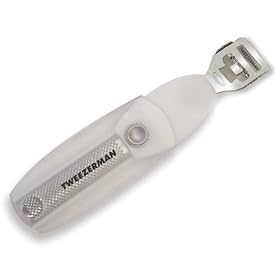 showering post swinging, after swinging, showering, sanding, filing and sometimes, just on a whim.
As far as i can tell, it does nothing - for me. Well there's a certain folksie charm i suppose to sporting the bottle in the bathroom, but beyond this?
SO once again, let me ask b2d readers - if you flail a kettlebell - or get calluses on your hands from any other activity -
- do you use hand lotion? does it do something for your hands that if otherwise left alone, you'd be in sorry shape?
- is this a consequence specifically of having calluses, or would you need hand lotion whether you did callusable activity or not?
- Or is this just the big boy excuse to go kinda metro?
Thank you for your kind assistance and attention.
mc
[update. later that day]
Surprisingly spirited discussion on the DD forum about corn huskers, and the following points have emerged.
- it's a non-greasy moisturiser -
- different climates and hands combined with chalk in some people causes dry cracking ickyness and this kind of moisturiser seems to address that
- likewise, some folks experience the stuff as a way to soften and even gap fill calluses such that they are less likely to tear.
related posts
Tweet Follow @begin2dig
Tuesday, January 26, 2010
Facebook Friend Requests - What to do when you don't know the Who, and get no Info to Say Nuffin to You
 orgive this wee intrusion on your reader/rss collector/browsing for a slight off topic. IT's about facebook. And if you don't use facebook, please by all means, skip this post. For those who do, i have a question for which i seek your help to unravel: what do you do with friend requests that come without messages to introduce the person? I'm at a loss.
Personally, i'm still trying to figure out the role of facebook in my life - and what the quality "friend" means. It seems more to be acquaintances than friends, per se. But that aside, i find myself surprised to get a number of these "friend" requests from people i've never met, don't know, and who provide no context - no little message to say "Hi, you don't know me, but the reason i'd like to be friends with you is BLAH" We may have some other "friends" in common, but forgive me, so what?
And so this is my conundrum. Perhaps i'm misunderstanding facebook entirely, and one shouldn't care who asks to be one's friends; just hit accept. After all, these connections aren't really about friends; they're just something - oh, i don't know what.
It seems i'm not entirely alone. In a post called Both Sides of the Table by Mark Suster (whom it seems gets a ton of facebook requests. He writes:
Facebook. I know some people link to anybody and everybody on Facebook – I do not. Facebook is a reciprocal (or symmetrical) network and therefore if you want to follow me by default I follow you back. The problem I have with this is two-fold. First, I send lots of private stuff on Facebook because that’s where I connect to my parents, my siblings, my classmates and my wife. Second, I don’t want to clutter up the stream of information that I have in my Facebook newsfeed with information on people with whom I don’t have a relationship.At least Mark has figured out a particular use for Facebook, and so has clear guidance on how he accepts friends. This groundwork is by way of background to the cool basics of exchange Suster suggests:
The more Personal. I like this; it's simple. Send a note with your request. I think beyond being informative it's just nice, isn't it? Polite? I like the comparison to sending a CV to a company without a cover letter. But even more casually, how often to complete strangers just step up to you in the middle of a conversation and start talking - with no introduction?If you’re asking to “connect” with people you don’t know (or don’t know well), how should you go about it? Send people a personalized comment on the intro saying who you are and why you’d like to connect. I do this even for people who I know very well. Put in any info about people we know in common, places we may have met or some other relevant fact. Even if we don’t know each other – finding a common bridge increases your probability of getting accepted.
If you connect to me on Facebook and simply have an invite with no explanation and if I can’t figure out how I know you I’ll just hit ignore. On Facebook there isn’t even a standard “join my network” introduction. Sending a blank invite is the equivalent of sending your resume to a company with no cover letter. People do it, but it’s not professional.
I'd add to the above that some folks may seem to think that if i see whom we may have as friends in common, then no further data is required - or maybe they don't - i'm guessing, cuz i don't know. They don't say. But for me, that friends in common thing offers nothing useful. Many people ride motorcycles, for instance, is that single data point sufficient to want to expose one's communication to others, or invite others to comment on any topic you initiate?
Again, perhaps i'm just missing something obvious about Facebook.
S.O.S. SO i reach out to b2d readers. What do you do when you get a request from someone whom you do not know, and have no note about the request?
With many thanks,
mc Tweet Follow @begin2dig
IPoding Athlete Audio Earphone - Update: more custom earphone options at the Apple Store
 protection while listening to one's tunes at the gym. I noted that there's a cool deal in the UK for custom sleeves to be fitted to the very cool etymotic research made-for-ipod ER 6i. While these are way cool for folks who don't need a mic with their earphones, some folks do, as their ipod may be an iPhone.
So i had a wee chat with ACS head honcho Andy Shiach late last week, and he informed me i'm a wee bit out of date. Etymotic has a headphone called the hf2 which is like the 6i except with the necessary inline mic AND they have a custom in-ear phone program AND ACS is doing the custom ear sleeves for them AND you can go into any apple store (in the UK right now), and buy the custom pack: you get the headphones and a vouchure for the custom sleeves. And this program is about to be rolled out world-wide "very soon" The vid below shows how it works.
Folks in the US right now can head to Ety's site to take a peek.
I'll update the site as soon as i learn of the Apple Store US release.
Technical Note: real protection
I also asked Andy about the differences in db ratings on the ety site, claiming 35-40 decibles and the custom sleeves rating 26db on the customhearing.co.uk site, especially since i find the sleeves much better. He explained that the 35-40 db may be the attenuation at some frequencies, but not at all. Indeed it may be quite a bit less as some hotter frequencies. On the other hand, the custom sleeves provide 26db at least at all frequencies. Cool.
So now, even less excuse not to protect one's hearing AND get improved audio experience at the same time. Tweet Follow @begin2dig
Sunday, January 24, 2010
HIIT (on bikes) - why it results in both more fat reduction, and Spot Fat Reduction at That, too than Hearty Steady State
There are lots of folks espousing the value of HIIT as an effective calorie burner when trying to burn fat. But is there really a special role for HIIT in the fat burning lexicon, or should we just strive to work harder - like 50-75% VO2max - throughout a cardio session? Some more recent work suggests there may be in terms of metabolic activity and even spot fat reduction. But before we go there, let's refresh a bit about HIIT.The old argument that HIIT burns more calories than Steady State and so is beter has been given a good walloping by Lyle McDonald. Especially in his head to head of steady state with HIIT he pretty persuasively shows that "The intervals only come out a TINY bit ahead if you compare workouts of identical length and even there the difference is absolutely insignificant."
Review: What's HIIT supposed to Do?
Indeed, work from 2008 lead by Shannan E.
 Gormley comparing intervals to a decent level of steady state effort did show a benefit for intervals of a sort, but the question for the researchers is what's the optimal time to spend at that peak intensity in an interval to elicit this effect? As cited previously here, the authors state:
It should be noted that although interval training groups spend some of their training time at a very high intensity, a similar amount of time is spent at a lower intensity, and therefore the mean intensity of training may not be any higher than that of a continuous training program. In the current study, the interval training group used 5 min each for the work and the recovery phases of the intervals and had an average intensity of 72% HRR, which is slightly less than the 75% HRR of the vigorous [the steady state -mc] group. The work-recovery periods of Helgerud et al.[16] were 4 min at ∼93% HRmax and 3 min at 70% HRmax, for a mean intensity of 83% HRmax in the interval group, whereas one of the continuous groups used 85% HRmax. Warburton et al.[37] used 2 min at 90% HRR and 2 min at 40% HRR for the work and the recovery phases, yielding a mean intensity of 65% HRR in the interval group, and had the continuous training group use 65% HRR. Wisloff et al.[38] used 4-min work phases at ∼93% HRmax and 3-min recovery phases at 60% HRmax, for a mean intensity of 79% HRmax in the interval group, and used ∼73% HRmax in the continuous training group. Despite the similarity of mean intensity between the interval and the continuous training groups, the interval groups in all of these studies experienced greater improvements in aerobic fitness after training. Therefore, although intensity is a key variable in cardiorespiratory training (as shown by comparing the two continuous training groups in this study), the mean intensity may not be as important as the highest intensity that is used for a significant portion of the training. A topic for future research is to determine what portion of training should be done at high intensities and using what work-recovery periods to obtain the greatest resultsThe above is looking not at fat loss effects of intervals, but training to enhance oxidative capacity for performance. More recently even really brief intense bouts of exercise (like 6 mins a week of effort compared with hours of steady state for the same physiological effect as hours of 60% MaxHR), there are similar kinds of performance benefits. So, there seem to be some performance optimization benefits from (a) looking at finding the right balance of peak intensity to recovery for work sessions and (b) looking at supramaximal efforts that may have similar effects in less time. Again, that's performance, not fat loss, and in the former case, we are talking really small degrees of difference.
So what about fat loss & HIIT, then?
HIIT means high intensity interval protocol. But what is the best HIIT to do if you're tuning it for fat lost first, and anything else second? And does it make a difference if you're dealing with elite athletes or people who are just well enough conditioned so their hearts won't explode if you ask them to go "really hard" for a bit? Is it 60 secs on? 30 off? 60:60? The infamous tabatta on for 20 off for 10 - and remember that was not primarily a fat burning study but an anaerobic/aerobic capacity study.
In 2007 & 2008 a couple studies came out on HIIT from New South Wales as part of some cool PhD work lead by Gail Trapp that i have come to cite frequently about a great HIIT protocol for fat loss and other cool, related benefits that looked explicitly at intervals for fat burning and effects between conditioned and less conditioned participants. Here's the first one, looking at what different HIIT intervals stir up metabolically.
Am J Physiol Regul Integr Comp Physiol. 2007 Dec;293(6):R2370-5. Epub 2007 Sep 26.Fat Mobilization: Freed for the Burning. Ah ha you say, there's no fat loss measured here. Right. But what IS measured here is catecholamine activation. Those threat response fight or flight hormones are what mobilize fat to get burned, baby burned. And from these the authors suggest a correlation to the level of catecholamine released and the level of glycerol to be found in the blood stream. In other words, higher degree of intensity, greater catecholamine release, more fat mobilised to be used for fuel.
Metabolic response of trained and untrained women during high-intensity intermittent cycle exercise.
Trapp EG, Chisholm DJ, Boutcher SH.
School of Medical Sciences, Faculty of Medicine, Univ. of New South Wales, Sydney 2052, Australia. e.trapp@unsw.edu.au
The metabolic response to two different forms of high-intensity intermittent cycle exercise was investigated in young women. Subjects (8 trained and 8 untrained) performed two bouts of high-intensity intermittent exercise: short sprint (SS) (8-s sprint, 12-s recovery) and long sprint (LS) (24-s sprint, 36-s recovery) for 20 min on two separate occasions. Both workload and oxygen uptake were greater in the trained subjects but were not significantly different for SS and LS. Plasma glycerol concentrations significantly increased during exercise. Lactate concentrations rose over the 20 min and were higher for the trained women. Catecholamine concentration was also higher postexercise compared with preexercise for both groups. Both SS and LS produced similar metabolic response although both lactate and catecholamines were higher after the 24-s sprint. In conclusion, these results show that high-intensity intermittent exercise resulted in significant elevations in catecholamines that appear to be related to increased venous glycerol concentrations. The trained compared with the untrained women tended to show an earlier increase in plasma glycerol concentrations during high-intensity exercise.
Any type of heart rate elevation triggers some catecholamine response - so does drinking green tea. But what the authors show
 here is that both long and short high intensity efforts - sprints in this case - can be effective to trigger greater catecholomine release, but the longer 24 sec sprint with its equivalent longer recovery seems to be better overall for fat mobilization. That's cool. That's actually less work/minute at 24 secs on 36 off than the shorter burst of 8on/12off (24sec vs 40secs of work). Wow. So longer more intense intervals - not necessarily more work - yields higher levels of fat release for fuel - but both the shorties and the longies are good.
Applying these Inervals to Fat Loss. Trapp and Co. then took this finding to a larger cohort of 45 participants (up from 8 and 8), and went longitudinal running a 15 week study. 15 weeks is *good* for 45 people to hang in there.
Int J Obes (Lond). 2008 Apr;32(4):684-91. Epub 2008 Jan 15.
The effects of high-intensity intermittent exercise training on fat loss and fasting insulin levels of young women.
Trapp EG, Chisholm DJ, Freund J, Boutcher SH.
Faculty of Medicine, University of New South Wales, Sydney, New South Wales, Australia. e.trapp@unsw.edu.au
OBJECTIVE: To determine the effects of a 15-week high-intensity intermittent exercise (HIIE) program on subcutaneous and trunk fat and insulin resistance of young women. DESIGN AND PROCEDURES: Subjects were randomly assigned to one of the three groups: HIIE (n=15), steady-state exercise (SSE; n=15) or control (CONT; n=15). HIIE and SSE groups underwent a 15-week exercise intervention. SUBJECTS: Forty-five women with a mean BMI of 23.2+/-2.0 kg m(-2) and age of 20.2+/-2.0 years. RESULTS: Both exercise groups demonstrated a significant improvement (P<0.05) in cardiovascular fitness. However, only the HIIE group had a significant reduction in total body mass (TBM), fat mass (FM), trunk fat and fasting plasma insulin levels. There was significant fat loss (P<0.05) in legs compared to arms in the HIIE group only. Lean compared to overweight women lost less fat after HIIE. Decreases in leptin concentrations were negatively correlated with increases in VO(2peak) (r=-0.57, P<0.05) and positively correlated with decreases in TBM (r=0.47; P<0.0001). There was no significant change in adiponectin levels after training. CONCLUSIONS: HIIE three times per week for 15 weeks compared to the same frequency of SSE exercise was associated with significant reductions in total body fat, subcutaneous leg and trunk fat, and insulin resistance in young women.
To be clear, in the second study, gals in the HIIT group did a five minute warm up, followed by 20mins of 8sec sprint followed by 12s of 20-30rpm recovery. The load was continually adjusted over the course of 15 weeks, starting at everyone getting to 20mins at .5kg of resistance. Based on heart rate, the load was upped by .5kg so that the heart effect was consistent as folks got stronger.
The steady state group worked at 60%V02peak - that's a good clip - about 75% maxHR so no slouching there. They worked up from 10mins to 40mins. The mean heart rate of the groups was 168.6 for the HIIT group; 155.7 for the steady state group (participants were 18-30 years old).
As to the fat loss: There was significant FM loss (P less than 0.05) r="−0.58,">This last point is not surprising, based on energy available for fuel from fat relative to bodyfat % (discussed here). The authors come back to this point stating:
High-intensity intermittent exercise training had a marked effect on fat levels for some individuals and a moderate effect for others. The correlation (r=0.58, P less than 0.01)43, 44 The four moderate fat loss responders in the HIIE group (women who had a 3% or less decrease in total fat) possessed significantly lower initial FM than the other women. With the four lean women removed, the mean fat loss in the HIIE group was 3.94±0.91 kg resulting in a 4.3% decrease in body mass and a 14.7% decrease in total FM. This 3.94-kg fat loss compares favorably to the 1.15-kg weight loss reported in a recent meta-analysis of the effects of SEE on weight loss.That all sounds good and reasonable and wonderful, but then comes the particularly interesting bits - gosh what would almost seem like spot fat reductions:
High-intensity intermittent exercise led to a significant decrease (P less than 0.05) in central abdominal fat (−0.15plus or minus 0.07 kg), whereas the SSE and CONT groups had nonsignificant increases in central abdominal fat (SSE group, +0.1 plus or minus 0.08 kg; CONT group, +0.03 plus or minus 0.04 kg).So more weight off the gut area in HIIT, legs and trunk (other newer work (like this one Nov 08 lead by Irving, and this one Aug 09 lead by Coker ) has seen similar results with gut fat). Intriguingly all groups put on fat in the arms (but not a lot). Indeed, the gut fat loss the authors cite as THE finding of the study. Even more, they state
Despite exercising half the time, HIIE subjects in the present study lost 11.2% of total FM with SSE subjects experiencing no fat loss.That's a pretty big difference between the two groups
Discussion of Findings - Cautious optimism for Intense Intervals
The authors in true geek science-ness don't overegg the results:
Collectively, these results demonstrate that intermittent sprinting compared to SEE is a more effective and efficient way of controlling body composition. However, our estimates of energy expenditure and intake lack sufficient precision to comfortably conclude that energy balance was unaffected in the HIIE condition. Thus, it is feasible that the change in FM that occurred in HIIE may have been influenced by unreported changes in diet. Indeed, HIIE-induced suppressed diet intake may be one of a number of possible factors underlying the fat loss effect of HIIE.11 For example, HIIE may have suppressed appetite or decreased attraction for energy-dense foods.24, 25 Another explanation for the HIIE fat loss effects is that this type of exercise may result in enhanced lipid utilization. Prior research in our laboratory has shown that lipid release, as indicated by blood glycerol levels, gradually increased over 20 min of HIIE.20 Catecholamine levels in this study were also found to be significantly elevated after HIIE.20Free Fat. I love this! Because of that catecholomine hit we saw earlier, and because there's
 more fat available as fuel in the blood ready to be used, Trapp's crew hypothesizes, maybe people doing HIIT just aren't homeostatically tweaked to reach for calorically dense foods - their bodies know they have that covered. That's a really intersting idea. I wonder if doing HIIT closer to meal times enhances this effect, if that's what's going on.
 What about this seeming spot reduction? But even if you want to say there are interesting side effects going on with HIIT that are causing these fat loss responses, the authors' key result is this abdominal fat difference. HIIT took OFF some ab fat; Steady state, i'm sorry to say, put some on. Dang.
Here's where exercise type may play an important role in whether or not this spot effect is achieved. The authors postulate the following:
It is considered that spot reduction (that is, deliberately reducing fat stores in specific areas of the body) is not possible, and the body will mobilize preferentially those stores with the highest concentrations of adipose cells.36, 37, 38 There is evidence in the current study that this principle may not apply to every exercise modality. In HIIE, where work is done primarily by the musculature of the legs and the trunk muscles act as stabilizers, there was a decrease in FM and an increase in lean mass, which summated to a significant change in percentage of fat in these two regions. This was not the case with the SSE group.So where work triggers core stabilizers to get that extra intensity, there may be a seeming spot fat loss effect. It's also interesting to note that only the HIIT group had lean body mass increase.
 Translating Results to Other Modes? Do these findings translate to other modalities for HIIT - like oh i dunno, maybe kettlebells? Don't know. Perhaps that would be an interesting comparison for bike, hardstyle with it's tension at the top of the swing say, and that hip/core/lat activation, and GS with its more relaxed swing. Do GS/HS differences fall away as the bell weight gets heavier?
In the meantime, the authors offer the following:
In conclusion, 20 min of HIIE [on a bike - mc] , performed three times per week for 15 weeks compared to the same frequency of 40min of SSE exercise was associated with significant reductions in fasting insulin, total body fat, subcutaneous leg fat and abdominal fat.
While the authors tested their participants with the 8/12 interval, their earlier work with the 24/36 suggests the benefits might be even greater - on a bike, but maybe with a kettlebell or a rowing machine, too.
Take Away: the Skinny on the Fat & HIIT
There are at least two ways to talk about HIIT - in the performance arena, and in fat burning. In performance, there is a small but not insignificant edge to interval work over intense steady state. In fat burning there is a really significant effect. Here's what i think it is.
While the authors make much of the spot fat reduction - and that's not nothing - the more intriguing thing is that *only* the HIIE group lost fat & had their lean body mass go up.
I've cited before work to show that without diet, any weight loss changes, even over 12 weeks of working out are small. In this case, there was no deliberate dietary intervention. So that there was such fat loss without more or less trying dietarily as well is really kinda eye openingly "what the heck?"
So i am intrigued by the authors' speculation about that catecholamine effect and glycerol release and potential effect on let's say homeostasis - a reduced reach for high cal foods, naturally. Wow. That makes HIIE worth looking at from a whole other point that has a whole lot less to do with the calories burned on the bike and the effect of those intervals throughout every other day of the week. And that's only 3*15. What would 3days at 20 or 30 or 40 minutes do? More is not always better - and intervals can be fatiguing but. Hmm.
Related Posts
- Kettlebells and Cardio - it doesn't have to be VO2max all the time
- Viking Warrior Conditioning, the Review with Kenneth Jay
- Does Cardio interfer with Strength work? How 'bout No
- Running the bells - hill workouts with kettlebells
- Weight loss doesn't work without Diet - really [story 1, story 2]
- Fat, the amazing fuel.
- Getting a handle on the habits of thinner peace (as martha beck calls it)
main refs
Trapp, E., Chisholm, D., Freund, J., & Boutcher, S. (2008). The effects of high-intensity intermittent exercise training on fat loss and fasting insulin levels of young women International Journal of Obesity, 32 (4), 684-691 DOI: 10.1038/sj.ijo.0803781Tweet Follow @begin2dig
GORMLEY, S., SWAIN, D., HIGH, R., SPINA, R., DOWLING, E., KOTIPALLI, U., & GANDRAKOTA, R. (2008). Effect of Intensity of Aerobic Training on VO2max Medicine & Science in Sports & Exercise, 40 (7), 1336-1343 DOI: 10.1249/MSS.0b013e31816c4839
Trapp, E., Chisholm, D., & Boutcher, S. (2007). Metabolic response of trained and untrained women during high-intensity intermittent cycle exercise AJP: Regulatory, Integrative and Comparative Physiology, 293 (6) DOI: 10.1152/ajpregu.00780.2006
Thursday, January 21, 2010
Fasting and Workouts: does it work out?
There is growing interest in intermittent fasting and athletic performance - or how can i train if i'm not eating? In the past year  there have been a couple of cool studies looking at athletic performance and the effects of the Ramdam fast on same. The Ramadan fast is, to the best of my knowledge, a total break in eating for part of a day: from sun up to sun down, no food. Since this is the time of day most athletes train, one might think going without food would make training impossible, or that athletes would start to cave in competition against their opponents.
So no kidding this particular combo of IF and Sport has been studied a LOT - just put ramadam and exercise into Pubmed, and you'll see.
There was a large study, however, carried out in 2006 and reported on in 2008. The study involved three teams that lived in residence at the training ground. The abstract is so complete, rather than paraphrase, let me present it here.
J Sports Sci. 2008 Dec;26 Suppl 3:S3-6.SO, pretty much doing a ramadam style sunrise to sunset fast doesn't negatively impact pretty durn intense competitive training.
Influence of Ramadan fasting on physiological and performance variables in football players: summary of the F-MARC 2006 Ramadan fasting study.
Zerguini Y, Dvorak J, Maughan RJ, Leiper JB, Bartagi Z, Kirkendall DT, Al-Riyami M, Junge A.
Centre d'Evaluation et d'Expertise en Medecine du Sport, Algiers, Algeria.
The timing of food and liquid intake depends on the times of sunset and sunrise during the month of Ramadan. The current body of knowledge presents contradicting results as to the effect of Ramadan fasting on body mass, body composition and metabolic changes. The main objective of the present investigation was to gain additional information and scientific data in conformity with the philosophical background of Islam to allow optimisation of the daily training and dietary regimen in relation to the mental and physical performance of football players. The four teams, along with their coaches and trainers, attended a residential training camp at training centre 3 weeks before the start of Ramadan and throughout the study. Energy intake was relatively stable in the fasting group, but there was a small, albeit significant, decrease of approximately 0.7 kg in body mass. Water intake increased on average by 1.3 l/day in line with the greater energy intake in the non-fasting group in Ramadan. Daily sodium intake fell during Ramadan in the fasting players but increased slightly in the non-fasting group. Fasting players trained on average 11 h after their last food and drink, and reported that they felt slightly less ready to train during the Ramadan fast. None of the assessed performance variables was negatively affected by fasting while nearly all variables showed significant improvement at the third test session, indicating a training effect. Heart rate measurements in one training session during the third week of Ramadan appeared to suggest that the training load during training was marginally greater for the fasting than for the non-fasting players. However, the overall exercise load measures indicated that there was no biologically significant difference between the fasting and non-fasting groups. In the present study, biochemical, nutritional, subjective well-being and performance variables were not adversely affected in young male football players who followed Ramadan fasting in a controlled training camp environment. Physical performance generally improved, but match performance was not measured. We recommend that players should ensure adequate sleep and good nutrition during Ramadan to preserve football performance and general health.
What this and other studies have noted, however, and you can see it in the recommendation of the last line - is that athletes' biggest issue was their perception of sleep quality - feeling like the had about an hour less a night than when they weren't fasting. One other report was that, even though the actual performance measures were not impacted, they did subjectively feel less ready to train than when they weren't fasting. Training was about an 11h day, by the way.
CAVEAT: I have to note that the funding for the study was provided by FIFA, and it makes sense that it would be in their interests to find that religious observance did not interfere with physical/professional requirements. On the other hand, they might be just as keen to know if there was a problem with their highly paid athletes not being able to perform optimally.
So what's a geek to do? Look for more evidence. A 2009 review of the literature on athletes and Ramadam seems to concur with the above outcomes being repeated in other studies, and so it asks a new question: what the heck is going on to let athletes perform well under these conditions?
That's cool when a summative paper actually says ok, based on this what are the cool questions to look at, and there are at least two: (a) what's happening physiologically to allow this kind of performance, despite less than optimal feelings about it and (b) how come this doesn't seem to work for some people - some people's performance does go down. Why/how are they different?
Int J Sports Physiol Perform. 2009 Dec;4(4):419-34.
Effects of ramadan intermittent fasting on sports performance and training: a review.
Chaouachi A, Leiper JB, Souissi N, Coutts AJ, Chamari K.
Research Unit "Evaluation, Sport, Health," National Centre of Medicine and Science in Sport, Tunis, Tunisia.
The month-long diurnal Ramadan fast imposes a major challenge to Islamic athletes. Sporting events are programmed throughout the year, with the result that training and competition are often scheduled during Ramadan. The small numbers of well-controlled studies that have examined the effects of Ramadan on athletic performance suggest that few aspects of physical fitness are negatively affected, and only modest decrements are observed. Whereas subjective feelings of fatigue and other mood indicators are often cited as implying additional stress on the athlete throughout Ramadan, most studies show these measures may not be reflected in decreases in performance. The development and early implementation of sensible eating and sleeping strategies can greatly alleviate the disruptions to training and competitiveness, thus allowing the athlete to perform at a high level while undertaking the religious intermittent fast. Nevertheless, further research is required to understand the mechanisms and energy pathways that allow athletes to maintain their performance capacities during Ramadan, and which factors are responsible for the observed decrements in performance of some individuals.
Take Away: In the context of a 30 day, summer daylight fast (long days; shorter nights) as Ramadan is at least for people practicing it in Tunisia, it is possible to fast during that time, when eating and resting appropriately on either side of the fast to support athletic training consisting mainly of endurance style effort for football.
 This approach to eating for training at very limited times raises interesting questions about nutrient timing. We also don't know what would happen if this approach to training were carried on longer than a month.
Indeed, in the fifa funded study (the first one, above) there's a reported satelite study that showed that after the fast, in the two weeks of follow up, the post-fasting team members' endurance went up.
While this finding is different than the approach in Intermittent Fastingof work like Eat Stop Eat (24hour long fasts, max) that says it's ok to fast and resistance train in a fasted state; there's no muscle loss as long as resistance work is kept up, can we say categorically that fasting and training go well together? There's a seemingly obvious kind of correlation that says, at least for brief periods - whether 24 hours of no eating, or 30 days of daylight limited eating - we can handle training in a fasted state.
Whether this is optimal or not is not clear, but it seems to be at least ok.
Related Posts
- time of day to train? location location location
- b2d nutrition articles
- review of science claims of warrior diet
- glucomannan - help feeling full when going low cal
- precision nutrition - learning about one's body and food for body comp
citations:
Zerguini Y, Dvorak J, Maughan RJ, Leiper JB, Bartagi Z, Kirkendall DT, Al-Riyami M, & Junge A (2008). Influence of Ramadan fasting on physiological and performance variables in football players: summary of the F-MARC 2006 Ramadan fasting study. Journal of sports sciences, 26 Suppl 3 PMID: 19085447
Chaouachi A, Leiper JB, Souissi N, Coutts AJ, & Chamari K (2009). Effects of Ramadan intermittent fasting on sports performance and training: a review. International journal of sports physiology and performance, 4 (4), 419-34 PMID: 20029094 Tweet Follow @begin2dig

 COACHING with dr. m.c.